Have you ever stumbled across the word trichology and wondered what it actually means? Simply put, it’s the fascinating study of hair and everything that affects it!Before we dive into remedies, growth hacks, and myth-busting, let's get down to the basics of how your hair actually works under the microscope.
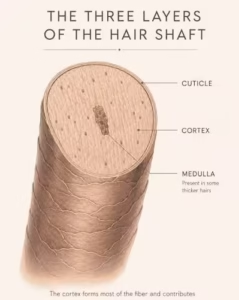
The Anatomy of Hair: Shaft vs. Root
Your hair is built from two primary components:
1.The Shaft: This is the exposed, visible part of your hair. It consists of dead, heavily keratinized cuticular extensions made of cells called keratinocytes.
2.The Root: Tucked safely below the surface, the root is encircled by the hair follicle—a supportive sheath of skin and connective tissue. This growth center connects directly to your sebaceous (oil and sweat) glands to stay nourished.
The 4 Stages of the Hair Growth Cycle
1. Anagen (Active Growth Phase): Fueled by a rich blood supply, new keratinocytes continually divide inside the follicle. This active phase typically lasts 3 to 5 years.
2. Catagen (Transitional Phase): Over about 4 weeks, different layers of the hair differentiate and mature. Mature melanocytes transfer melanin pigment to growing keratinocytes during this period.
3. Telogen (Resting Phase): Active cell differentiation pauses. The hair rests peacefully for 3 to 4 months.
4. Return to Anagen: The follicle resets, and a new growth cycle begins!
Genetics, Ethnicity & Hair Texture
When it comes to genetics, the facts speak for themselves. From lush, full growth in early adulthood to receding hairlines at the crown or premature greying, genes act like peas shifting around in a pod.Ethnically speaking, structural variations differ across populations—for instance, Asian hair structures display distinct density and cuticle traits compared to Hispanic, Latino, British, Native, or African-American hair types.
Common Scalp & Hair Conditions
Alopecia Areata: An autoimmune condition where the body’s defense system mistakenly attacks its own hair follicles. While shedding 10 to 50 strands daily is completely normal, losing hair in distinct, patchy spots points to alopecia. (A quick pharmacy tip: Try mixing crushed black pepper and a carrier oil in a 1:10 ratio—10g pepper to 100ml oil!)
PCOS (Female Pattern Baldness / Androgenic Alopecia): A hormonal imbalance where the LH to FSH ratio often sits around 1:1, driving higher circulating levels of male hormones (androgens) in women. The good news? Shedding typically stabilizes once hormonal levels are rebalanced back to healthy estrogen-dominant ratios.
Skin Burns: Whether 1st, 2nd, or 3rd-degree (3rd-degree being the deepest and most severe), thermal damage to the dermis impairs or destroys the underlying follicles, often preventing future regrowth in affected areas.
Eczema & Seborrheic Dermatitis: A malfunctioning of the scalp's sebaceous glands frequently triggered by an overgrowth of Malassezia yeast. This leads to red, dry, itchy, and flaky scalp conditions that can extend toward the ears. Treatment usually requires targeted prescription shampoos containing ketoconazole or selenium sulfide. Address it early at the scalp level for the best results!
Cancer Therapies: Chemotherapy and radiation target rapidly dividing cells throughout the body. Because hair matrix cells divide quickly, treatments can trigger sudden, noticeable hair shedding. Once therapy concludes, follicle activity resumes and hair begins to regrow.
Depression & Stress: While "happy hormones" like serotonin, dopamine, endorphins, and oxytocin influence overall well-being, clinical evidence directly linking depression to structural hair thinning remains limited—though stress signals can indirectly impact the growth cycle.
How to Stimulate Hair Growth
Regular Scalp Massages: Spending 5 minutes a day for 10 to 12 weeks using a Gua-Sha, comb massager, or your fingertips encourages visible improvements by bringing fresh blood flow to under-circulated areas.
Omega-3 Rich Foods: Fuel your body from the inside out with foods like olives, wild fish, walnuts, avocados, sunflower seeds, pumpkin seeds, and Indian gooseberry (Amla).
The "Icing-Out" Technique: Just as applying ice to the face prompts a healthy flush, briefly applying a cold compress or ice to the scalp can help stimulate localized surface circulation and seal in essential hydration.
Over-the-Counter remedies
Minoxidil (2% and 5% w/v): A topical solution that acts as a vasodilator to temporarily increase localized blood flow to balding areas. Keep in mind that its effects last only as long as you maintain consistent application; stopping treatment causes hair to return to its original state over time.
Natural DHT Blockers (Rosemary): Rosmarinus officinalis (Rosemary) is a perennial herb packed with natural compounds that help block DHT activity at the cellular level, supporting healthier follicle function.
Old-Fashioned Home Basics That Actually Work
1. Master Your Oiling Routine
Oil selection depends heavily on your hair porosity (how easily your hair absorbs and retains moisture). High-porosity hair has a looser cuticle structure, making water evaporate quickly—meaning it thrives under rich, deep-moisturizing masks.Type Match: Coconut oil works wonders for nourishing straight-to-wavy hair patterns.The Golden Rule: Never leave oil on your scalp for more than 2 hours! Prolonged oil exposure can cause oxidative degradation and free-radical buildup that irritates the scalp. Always opt for lukewarm oil for better penetration.
2. The 2:7 Wash Ratio
Washing your hair twice every 7 days is the sweet spot. Over-washing strips away essential natural lipids from the hair shaft. Look for mild, hydrating shampoos that are low in parabens and artificial fragrances, and apply shampoo only to your scalp, letting the suds cleanse the lengths as you rinse.
3. Regular Trimming
Trimming every 3 to 4 months keeps split ends from traveling up the hair shaft. Since the ends consist of older keratin structures, keeping them neat prevents breakage and preserves length.
4. Cold Bath Rinses
While hot showers dilate blood vessels, ending your routine with a cool rinse helps smooth down the cuticle surface, locking in shine and reducing friction-induced breakage. Always opt to air-dry whenever possible and minimize heat styling.
5. DIY Protein & Hydration Masks
Give your hair the royal treatment with these three game-changing DIY recipes! Transform dull locks with the Honey, Hibiscus & Rice Flour Mask by mixing 2 tablespoons of honey, 1 crushed hibiscus flower, and 2 teaspoons of rice flour into a smooth yogurt paste—slather it on for 20 minutes to deeply hydrate and restore softness. Next, supercharge your scalp with an Herbal Leave-In Rinse made by simmering a handful of fresh curry leaves, 2 to 3 rosemary sprigs, and a tablespoon of fenugreek seeds for 15 minutes; once cooled and strained, pour it over your roots post-wash to block hair fall and stimulate fresh growth. Finally, wrap up your routine with a Fermented Rice Water Conditioner by saving and cooling nutrient-rich rice starch, rinsing it through your lengths to instantly detangle, smooth down cuticles, and unlock an unbeatable, glass-like shine!

Hydrate, Exercise, and Nurture Your Body
Healthy hair starts from within. Stay well-hydrated, move your body regularly, and create a calm environment for yourself. Real hair growth takes time, patience, and consistency—stay focused, stay positive, and embrace the journey!
Which science-backed hair remedy are you trying first—the cold rice-starch rinse or the herbal DHT-blocking treatment? Pin this guide to your hair care board on Pinterest and tell us your porosity type in the comments below!
